

NMEA 2025: Sensar Marine’s expansion hub
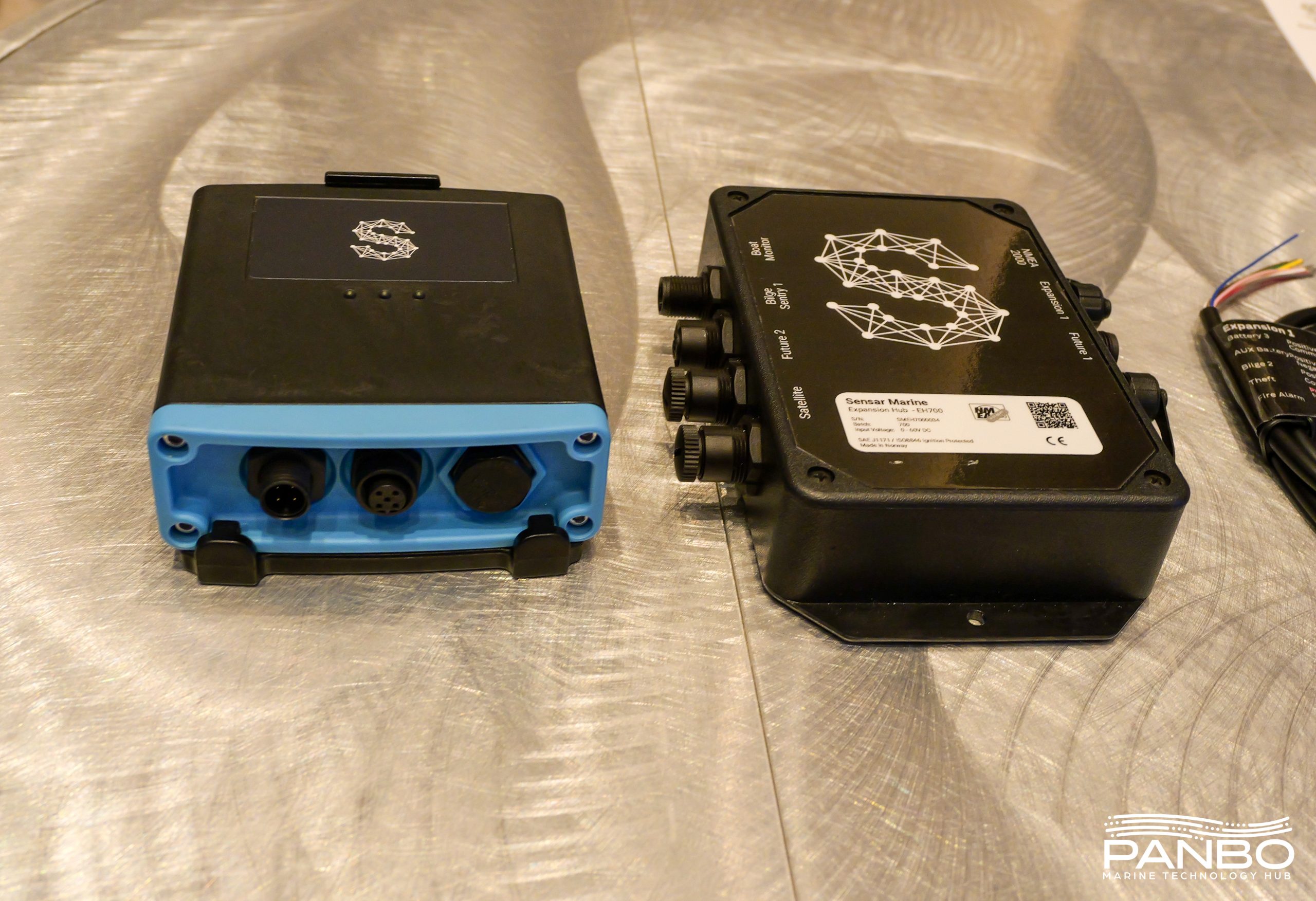
I wasn’t kidding in my Vanemar writeup when I mentioned boat monitoring products’ strong showing at the NMEA’s 2025 conference. Continuing with that theme, let’s take a look at Sensar Marine’s Expansion Hub. The Expansion Hub pairs to their existing monitor to bring more capabilities to the original monitor without sacrificing the monitors’ core strengths.
As I found in my review of their Boat Monitor, Sensar Marine focuses on simplicity in boat monitoring. The company’s initial bundle, the Boat Monitor with a Bilge Sentry keeps tabs on boats between about 15 and 35 feet. The system monitors one bilge for water and temperature, one bilge pump, two batteries, and the boat’s position. Sensar’s marketing leads with their very careful power management and the absolute simplicity of installation and operation. For their target market, both characteristics help make the monitor a good fit and Sensar didn’t lose track of either when adding capabilities via the expansion hub.
Sensar’s Boat Monitor only draws power from the boat’s batteries when the monitor detects the battery voltage is high enough to indicate charging. The rest of the time, the monitor operates on its own, internal, rechargeable battery. That battery can power the monitor for months at a time.
Generally, I’m a fan of Sensar’s focus on simplicity. However, in some aspects, I found that focus also proved limiting to some features. I’m pleased that the expansion hub unlocks more capabilities while staying true to the focus on simplicity, fast and easy installs, and out-of-the-box alerts.
The $399 Expansion Hub must be connected to a Boat Monitor to function. The hub connects to the Bilge Sentry connection on the monitor. In turn, the displaced bilge sentry connects to a dedicated port on the Expansion Hub. The Hub adds significantly to the trim list of sensors the core Boat Monitor offers. Specifically, it adds:
- NMEA 2000
- A second Bilge Sentry for monitoring water level in the bilge and bilge temperature
- Three additional battery banks, for a total of five
- Additional bilge pump
- Satellite connectivity
- Fire, theft, and shore power monitoring
- As of yet undescribed future sensor capabilities
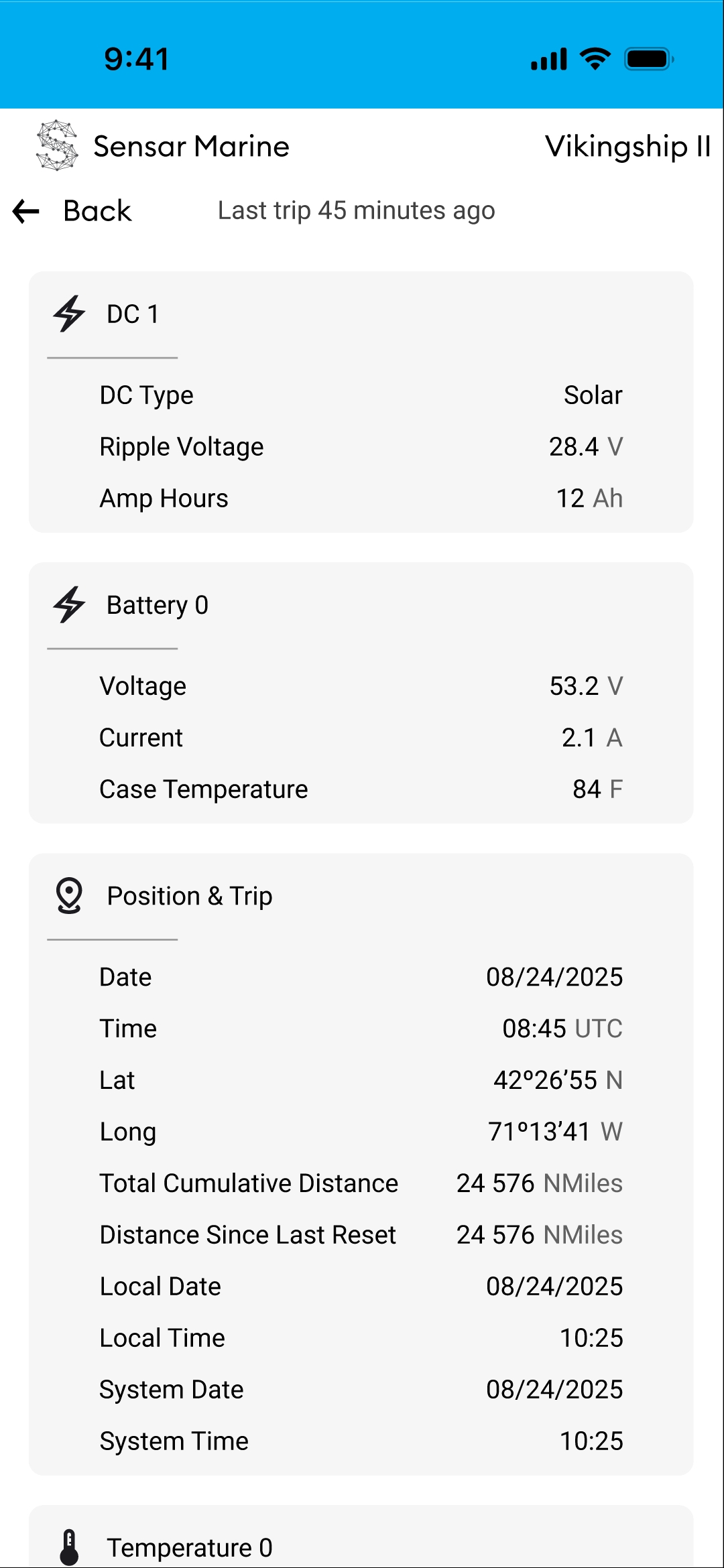
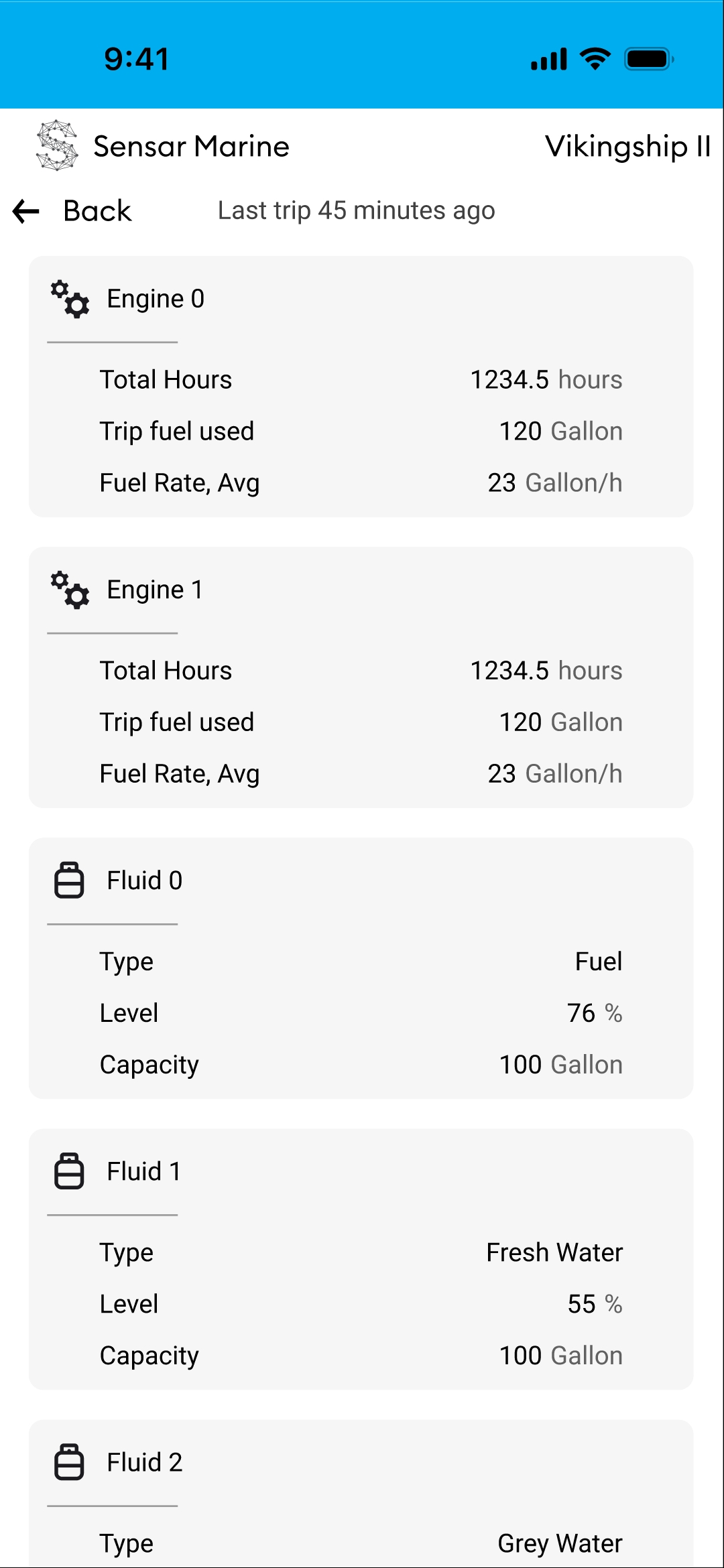
True to their low power mission, Sensar’s NMEA 2000 implementation assumes that when you’re away from the boat, the NMEA 2000 network won’t be powered. As a result, the system saves the last values from the NMEA 2000 network and displays them. The system provides a time since last update to indicate the age of the data. But, for many data elements, like tank levels, data from the last time the boat ran provides all the operator needs to know.
I don’t believe the Expansion Hub will add to the monthly cost of monitoring service. Sensar now offers three options for monitoring: $18 a month, $144 per year or $12 a month, or $240 for two years or $10 a month. A year and a half ago when I first reviewed Sensar, monthly service was $16 per month and annual was $120 or $10 a month. So, to get the same $10 per month, you will have to commit to two years and the other options increase by $2 per month.
Panboat has a Boat Monitor installed currently and with three battery banks and multiple bilge pumps, it exceeds the capabilities of a Boat Monitor with the Expansion Hub. So, I’m looking forward to adding a hub and gaining visibility into the currently unmonitored systems. Once I have that in place, I’ll be back with an update. But, for now, I think I’ll take a short break from reporting on boat monitors.



Recent Panbo Comments