Category: Monitoring & Tracking
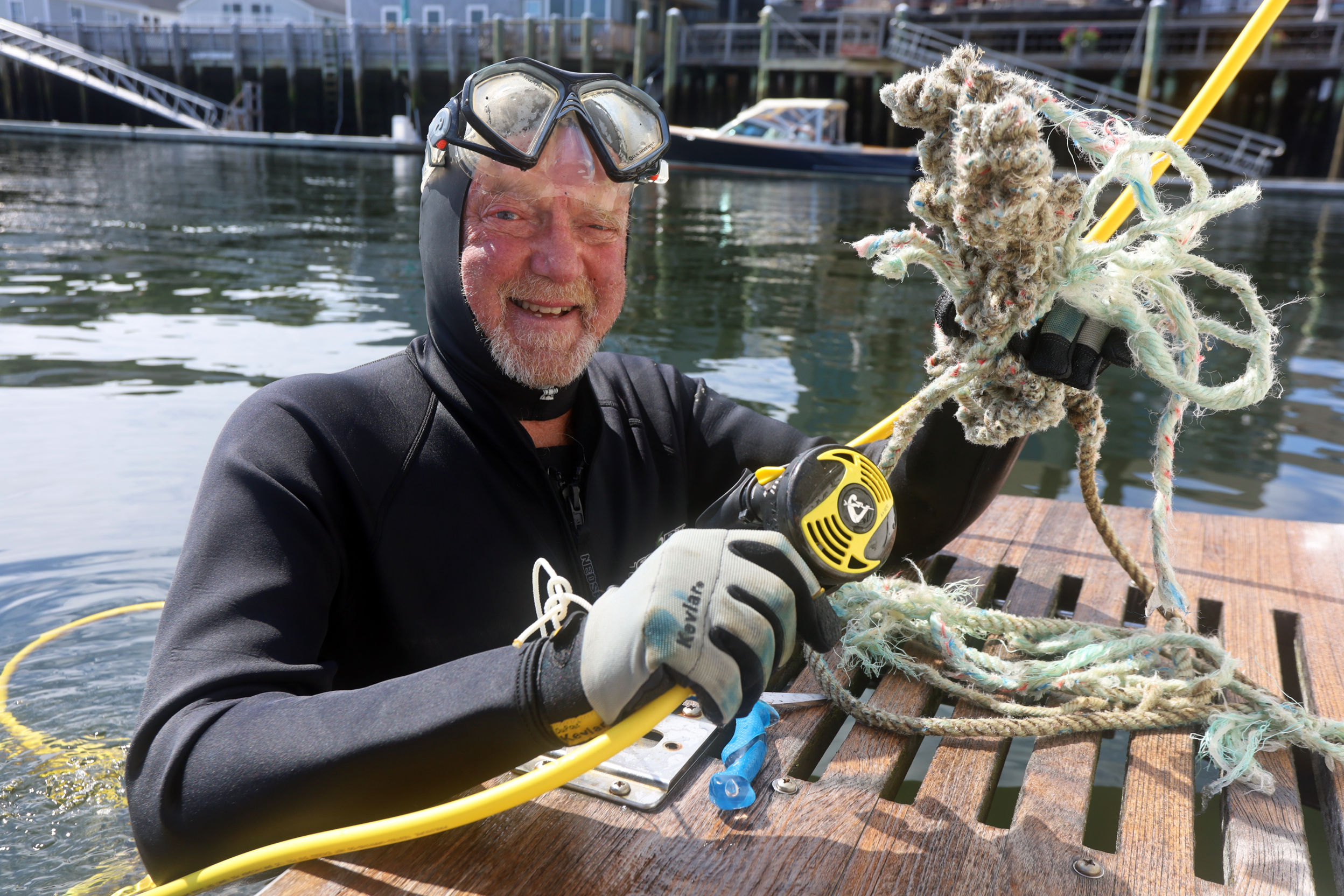
With winter setting in fast, it’s nice to remember summer, even a cruising hassle like snarling lobster trap gear around Gizmo’s running gear. During my 48 years in Maine waters, the catch has increased from 20 to 120 million pounds and the pot buoy systems have gotten significantly tougher; so snagging one has become much more of a hazard. But the grin above is not just because I’d finally cut away this particular mess; I think I’ve found a reliable snarl solution that will even work out in the remote Maine islands that lobsters, lobstermen, and cruisers all appreciate…
Long Maretron experience has taught me that the key benefit of boat monitoring is not screens of sensor readings, though they can be useful; it’s warnings and alarms. Done right — which is not easy — they can help a boat operate longer without major issues, but with a more relaxed operator. So I’m pleased to report that the new Kobelt Vitals offers similarly sophisticated alerting in a freshly thought-out, reasonably priced, and very flexible design that may be just right for many mid-size vessels…
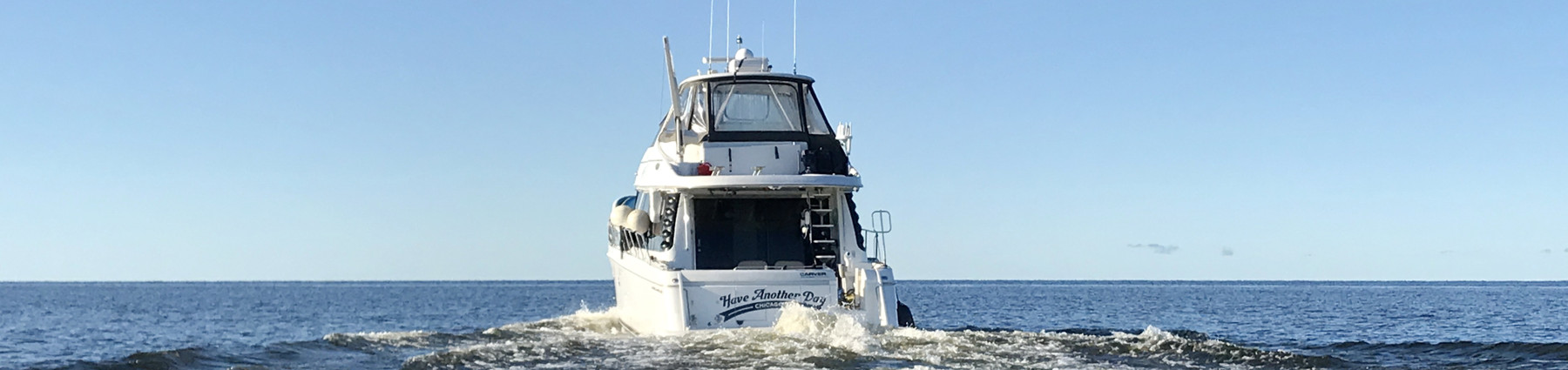
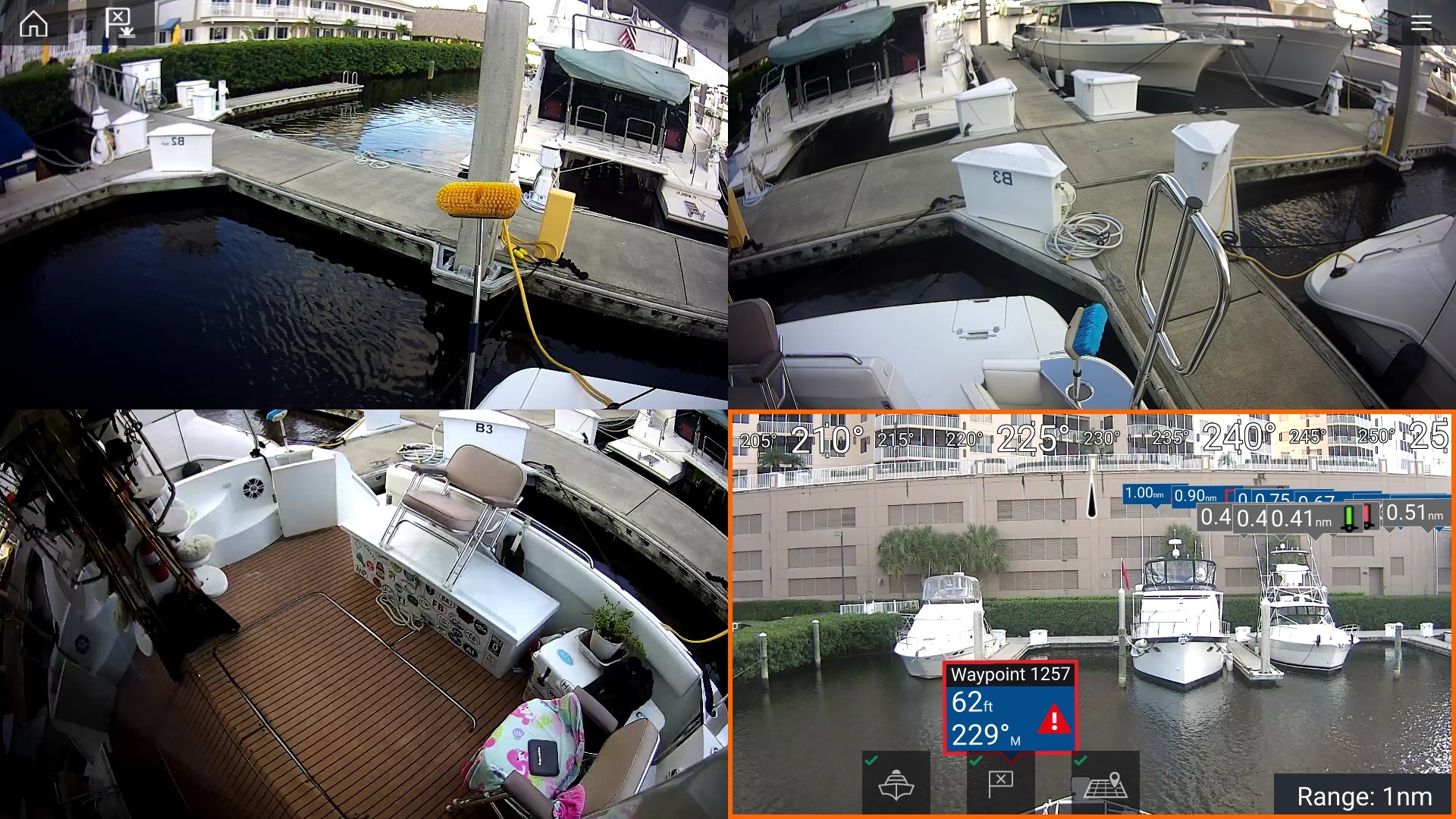
When I outfitted Have Another Day to begin cruising I wanted better visibility of several areas of the boat. IP cameras are the natural way to tackle this but once I realized I wanted five or more cams the cost of MFD manufacturer branded models quickly became prohibitive. Fortunately I’d already decided to go with Raymarine MFDs and some digging revealed strong support for a commonly used IP video standard.
I’m generally content to operate at trawler speeds these days, on and off the water. But — boy, oh, boy — taking on a new boat has definitely brought out the kid in me. Though it was only a few weeks ago when I finally realized that rebuilding the 14-foot power cat (and original Gizmo) is not in my future, the new plan has already hosted some electronics testing that would have been much more difficult with the 37-foot Gizmo, and it’s a different kind of pleasure on the water. Say hello to Gizmo Junior…
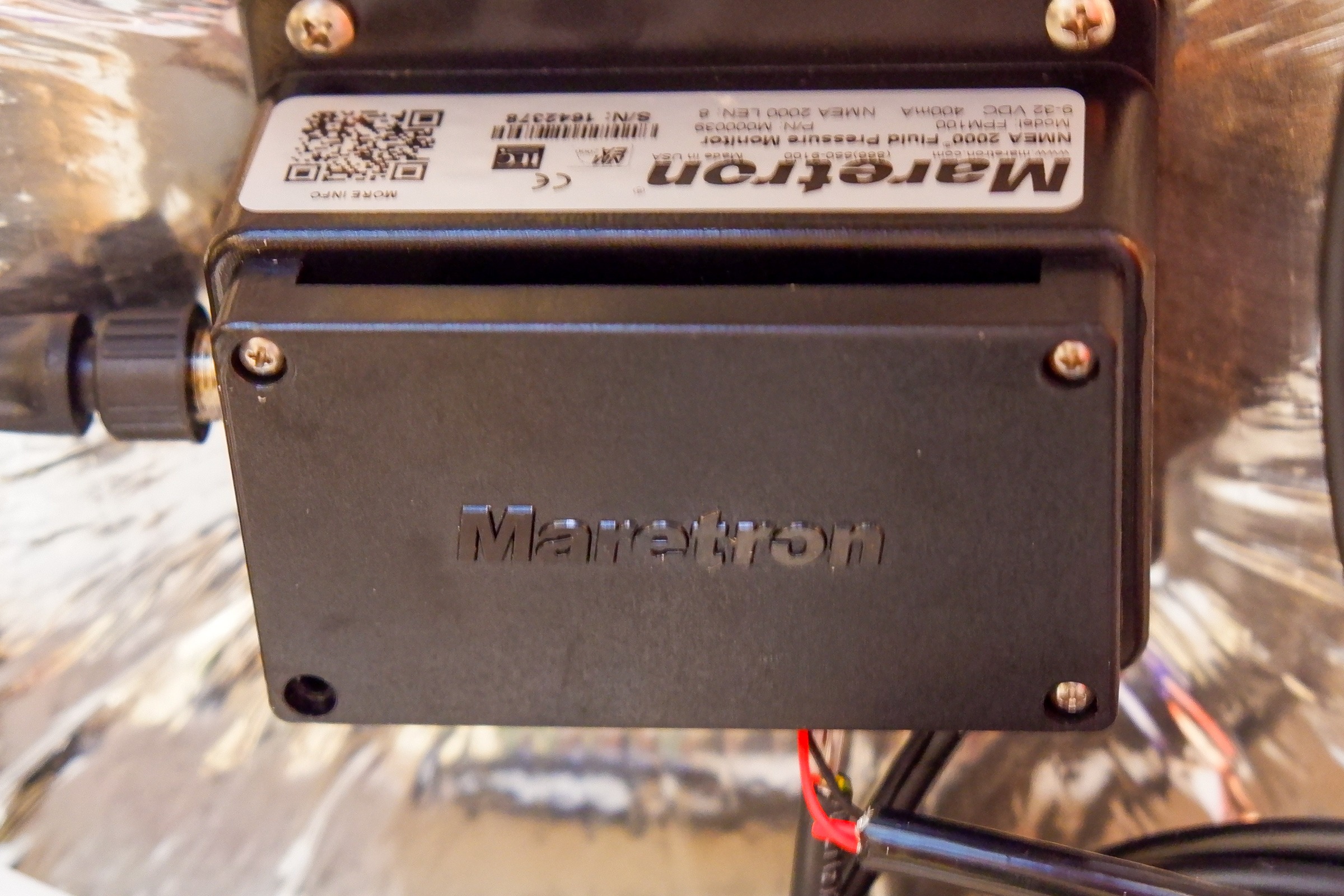
Have Another Day’s waste tank monitors have never been very accurate and that’s only gotten worse as time has gone by. In well over 10,000 nautical miles of cruising we’ve only overflowed a waste tank once, but that’s once too many. So, when the gauges on both tanks recently seemed to completely stop working, I decided it was time to find a new solution.
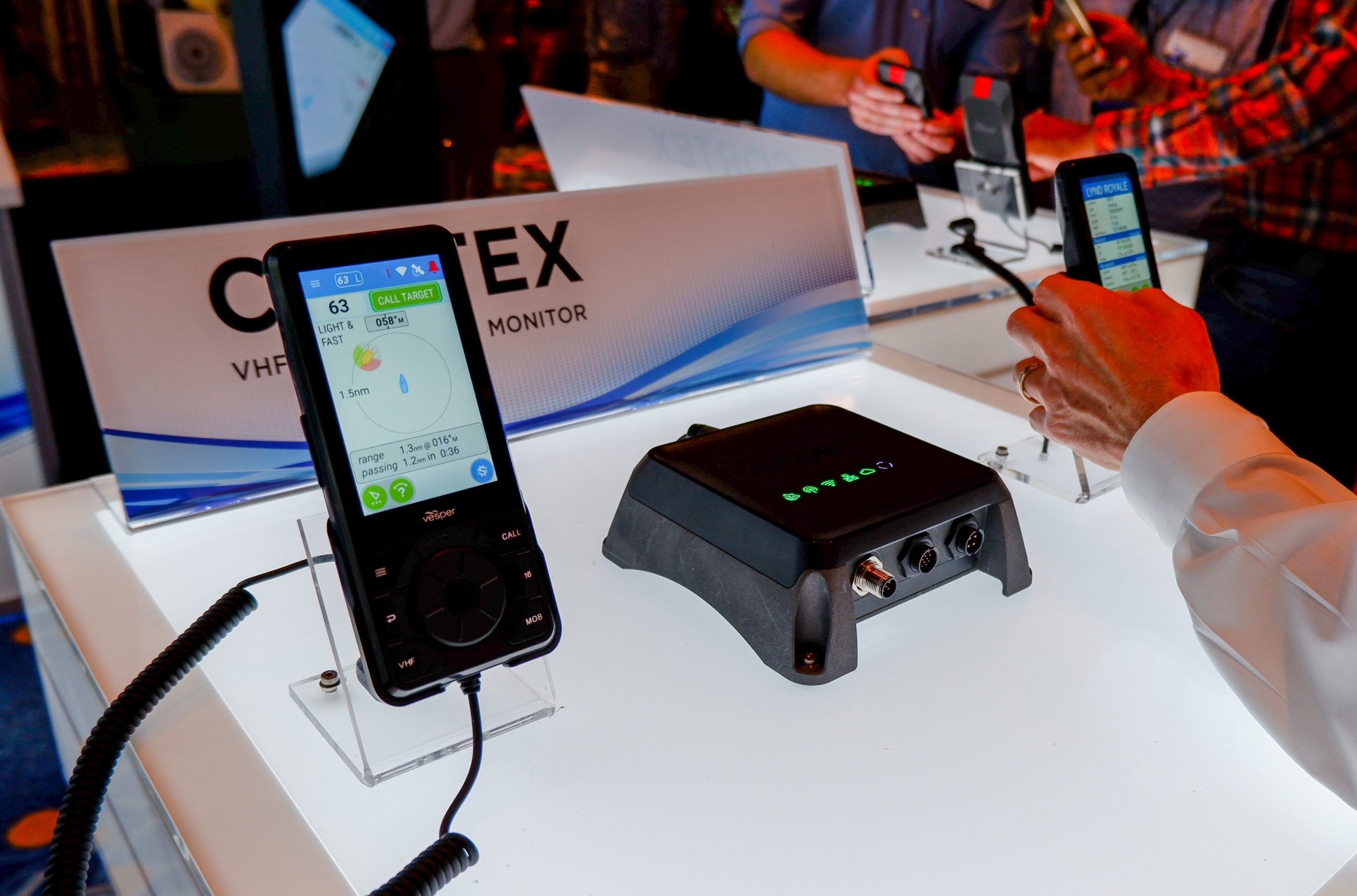
Vesper Marine, a leading manufacturer of innovative marine electronics, announced today a revolution in marine VHF with the release of Cortex. Completely redefining the VHF experience, Cortex is the world’s first radio with wireless touchscreen handsets, built-in Class B SOTDMA smartAIS transponder and remote vessel monitoring.
Vesper has cemented a reputation for high performance, well-thought-out, feature-rich products. So, when they tease that “The future is coming” as they have in their recent promotional material it’s worth paying attention. It turns out Vesper’s take on the future is about continuing their track record of innovative features while expanding their capabilities to VHF radios and boat monitoring.
Building on their commitment to meaningful innovation, Blue Sea Systems is proud to announce the release of the M2 Vessel Systems Monitor. “With so much technology on boats today, it is critical to keep track of all of the different systems”, Stated Justin Kaufman, Product Manager for Blue Sea Systems. “The M2 Vessel Systems Monitor simplifies monitoring by allowing the boater to keep track of several key functions from a single location.”
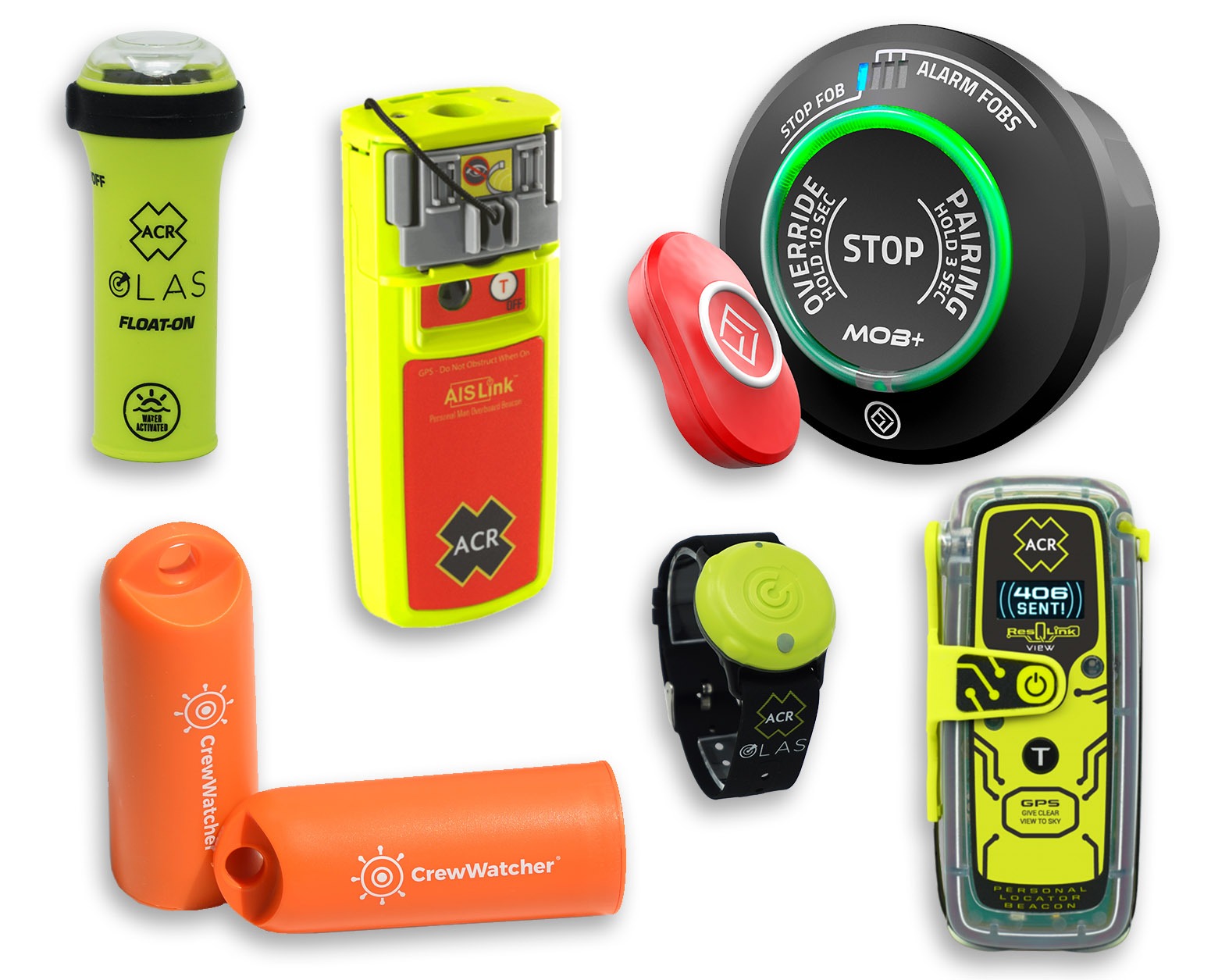
In man overboard (MOB) scenarios, time is frequently the difference between a happy outcome and tragedy. The sooner everyone on the boat is aware there’s a problem and begins responding the greater the odds this will be a scary moment on which to reflect and not a life-changing event.
When I bought Have Another Day I really wanted the data from my early electronically controlled diesel engines available on my MFDs. I’ve had access to this data previously and knew the value of the data for fuel management and engine monitoring. My path to getting that data wasn’t easy but I think I helped blaze a trail to easy engine data on your NMEA 2000 network.







Recent Panbo Comments