
Panbo News and Reviews

6

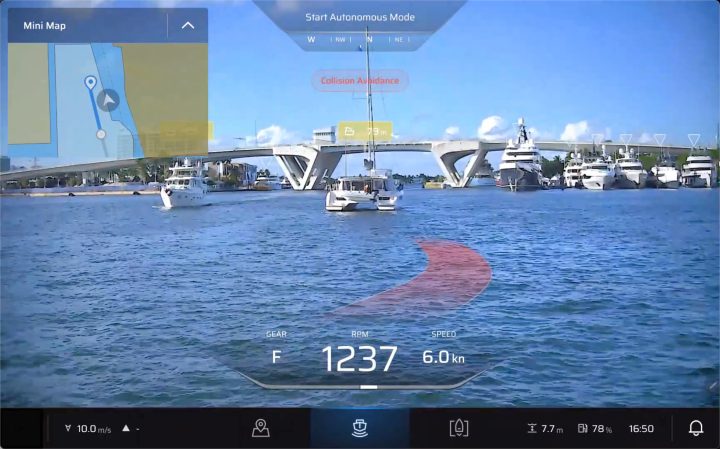
Avikus’ autonomous boat navigates, pilots, and docks itself

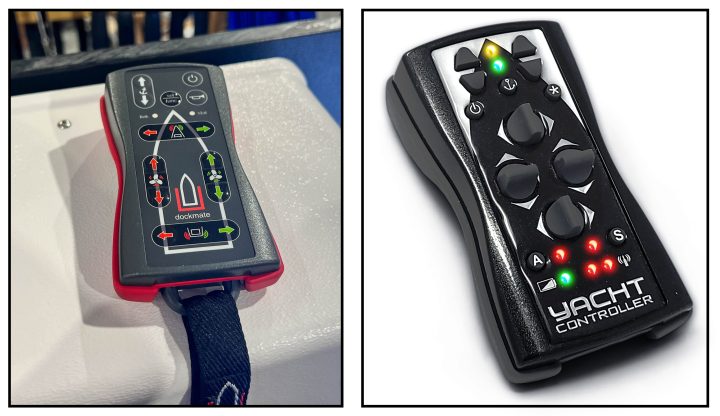
In a last-minute addition to my Fort Lauderdale International Boat Show (FLIBS) schedule, I was invited to take a ride on Avikus autonomous boat. Boy, am I glad I did. Despite being a pre-production system, what I saw and experienced was the most polished example I’ve seen to date of assisted boating.

16

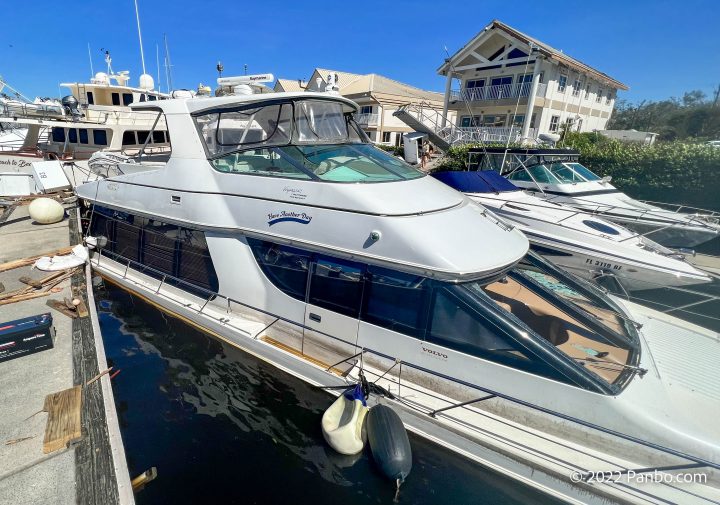
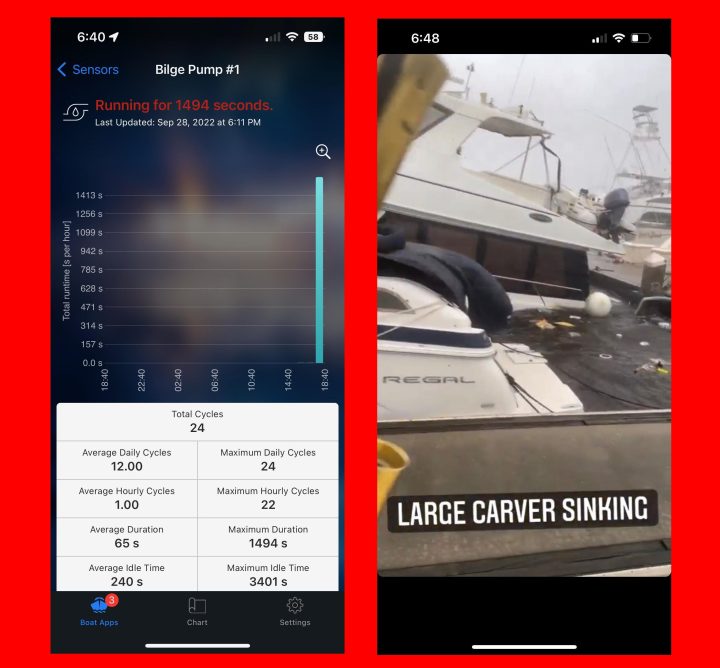
Ben Stein & family lose their boat to Hurricane Ian

Ben Stein and his family evacuated from Fort Myers on Tuesday night, that’s the great news. But at about 7 pm last night their beloved boat and home on the water Have Another Day sank in her slip at a well-engineered marina 14 miles up the Caloosahatchee River as Ben watched the aft bilge pump try to keep up via remote monitoring. Here in Maine I’m near tears at their loss…

25

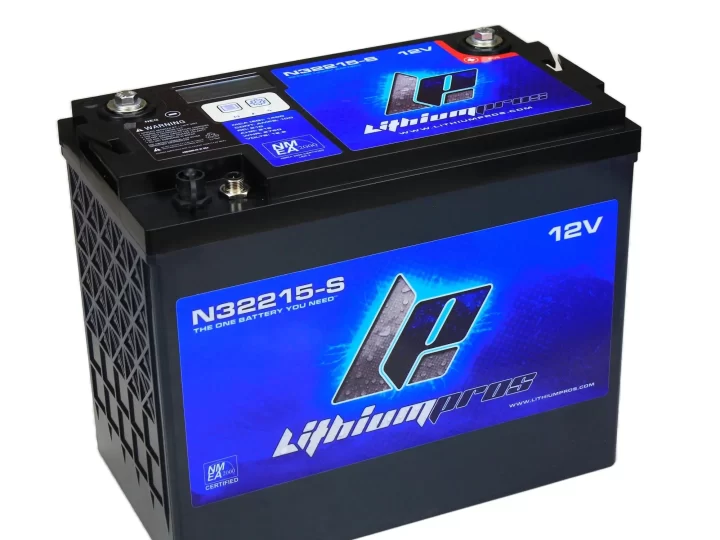
KiloVault HLX+ Batteries tested, power aplenty

Each of the last three summers my family and I have loaded ourselves into our RV, Harvey, and hit the road. It’s an opportunity to see friends and family and to escape some of the hottest months of south Florida’s summer. It’s also an opportunity for me to test new systems installed on the RV.

4

Tank monitoring with Victron GX Tank 140, accuracy matters

Harvey, as I (mostly) affectionately call my RV, like all other RVs, contains waste and gray water. If you’re a boater in the U.S., gray water containment is a largely foreign concept. Let me tell you, it’s also kind of a pain. On Harvey, until now, it’s been a pain. But, it turns out that’s because we were only using a small percentage of the advertised capacity of the gray water tank. Victron’s Venus OS, GX Tank 140, and an inexpensive tank transducer tell the real story of our tank usage.

60

ABYC Ratifies E-13, their first lithium battery standard

The ABYC has ratified standard E-13 covering the installation of lithium batteries on boats. E-13 replaces TE-13, a technical note that provided a preview of the direction the ABYC was headed with the standard. But, not having an approved standard for lithium battery installs presented some challenges. The main one comes from insurance companies not having an approved standard they could reference. Now that we have a standard let’s look at what it means for new installs and those who have already installed lithium batteries.

6

Actisense adds NMEA 2000 insight to W2K-1 with Actisense-i

Actisense’s W2K-1, like Actisense’s other products, is a well-made, straightforward product with a few extra features. The primary focus of the W2K-1 is making data from your NMEA 2000 network available via WiFi to mobile devices and laptop. But now, Actisense has expanded the features of the W2K-1 to include their Actisense-i diagnostics functionality. How does Actisense-i stack up to other NMEA 2000 troubleshooting tools? I’ve spent some time with it and believe it provides useful insight into your network but leaves room for more.

9

A cool and quiet sailboat thanks to efficient air conditioning, LiFePO4 batteries, and Integrel

I work around boats pretty much every day of my life. So, what would cause me to jump in my car and drive 28 hours round trip to go see a boat? The answer: A brand new, luxury 44-foot sailboat ordered with no generator and no air conditioning. But fear not, although it was delivered without systems many regard as required, it’s now been outfitted with arguably the best air conditioning and power systems available.

16

Starlink offers new services aimed at RV and marine use

It’s been a busy couple of months for Starlink since they rolled out portability. Here’s a quick rundown of what’s happened with the service since then: they’ve rolled out RV service, Dish network has filed a complaint against them, their mobile license was approved by the FCC, and they’ve introduced a maritime service offering. If you’re a boater looking to get internet connectivity on board your boat, that can be a lot to wade through. So, let me help you understand the developments and what it means for us as boaters.

44

Is now the time for a move to 48 volt DC systems?

r as long as I’ve been covering marine technology, I’ve heard consistent talk of a move to a higher voltage than the defacto 12-volt standard. 48 volts is often cited as the sweet spot between efficiency, safety, and reduced weight. But, why make a change? 12-volt has served boats well for a long time, why change? Let’s take a look at the reasons for a change and perhaps some reasons to move cautiously.