
Panbo News and Reviews

26

Simrad NSX, an impressive debut of Navico’s next-generation platform

The Simrad NSX may be a value-oriented chart plotter in Simrad’s lineup but “value model” doesn’t tell the story of how important NSX is to Simrad’s, and Navico’s, future. NSX is the first MFD running on Navico’s Neon operating system. I’ve been using an NSX in Panbo(at) for the last several months and I’m pleased to report NSX is an upgrade from the Simrad Go it replaced in nearly every dimension. If this is Navico’s future, the future is bright.

10

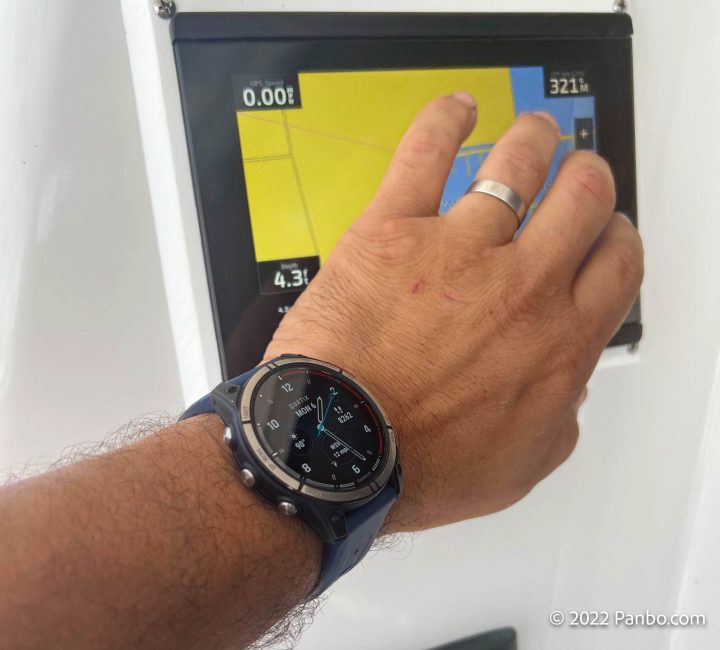
Garmin Quatix 7 SmartWatch, a refined wearable

Garmin recently released the Quatix 7 and I’ve been wearing the Saphire model since just after the release. I’m pleased to report that in my testing it’s proved to be a refined, visually pleasing, and useful accessory. With excellent battery life, a bright, easy-to-read display, and integration with Garmin marine products like the GPSMap MFDs and Fusion stereos there’s plenty of reasons to give the Quatix line a careful look.

20

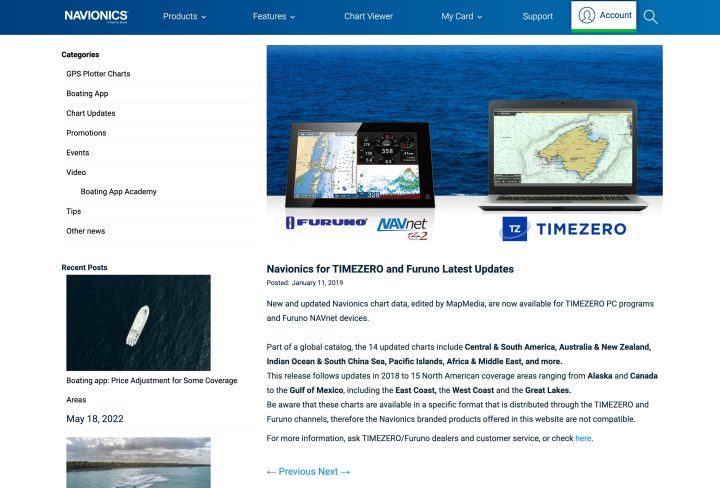
Chart wars? Post acquisitions, what’s the status of charts?

It’s been four and a half years since Garmin bought Navionics and just under four years since Navico and C-Map’s corporate parents merged them. In both cases, there were statements made promising continued availability of the data on competing brands. But, would it? I’ve read comments from and talked to many boaters who are understandably nervous about access to their chart provider of choice on their navigation equipment brand of choice.

All these AIS targets were being sent to Marine Traffic by one vessel's DataHub, with little effort or cost 24

Share your boat’s AIS info, easy with DataHub by PredictWind

Do you use an AIS tracking website or app to follow cruising friends, check that your own AIS is transmitting, hunt for Russian oligarchs, and/or simply to identify an interesting vessel from your seaside restaurant table? Indeed, some of the services like Marine Traffic and FleetMon are now rich with photos, added vessel info, and features like extended track histories. But perhaps you’re also aware that volunteer receiving stations provide most of the data, and a lot more stations are needed to cover even just the planet’s coastal areas. So I’m pleased to report…

7

Starlink Portability announced and available

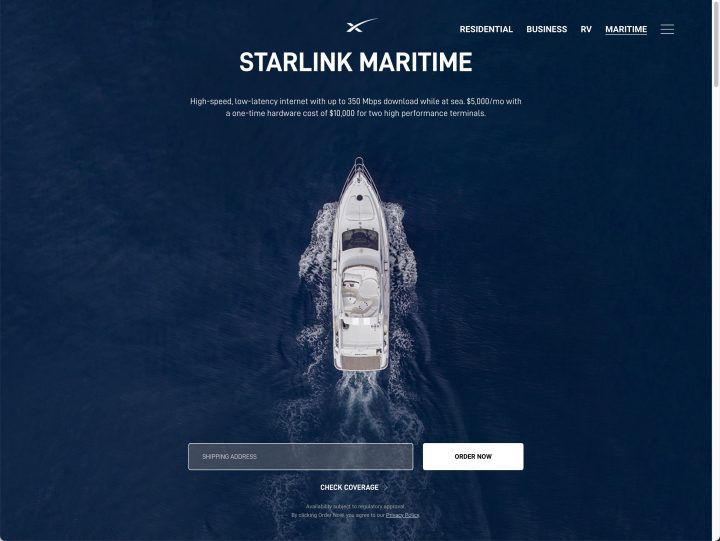
It’s been a little unclear how Starlink would handle their dishes moving from place to place. Would they take steps to stop this? Would they embrace it? Would it be a separate offering? This week they’ve unveiled portability mode, a $25 per month add-on, and a little more clarity about how they handle mobile users.

22

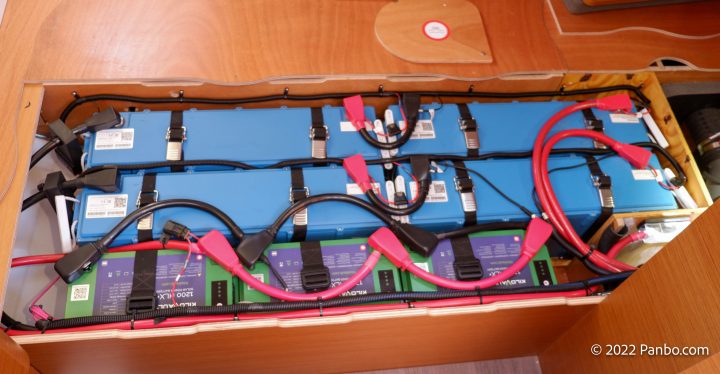
KiloVault HLX+ batteries, serious quality and value

KiloVault might be a relatively new name in lithium iron phosphate (LiFePO4) batteries, but I’d expect to hear a lot more about them based on what I’ve seen so far. The HLX+ series of batteries are well-made, drop-in-style batteries with lots of capabilities at an affordable price point. I’ll be installing a pair of the 300 amp hour batteries in my RV, but first, let’s get to know the batteries better.

15

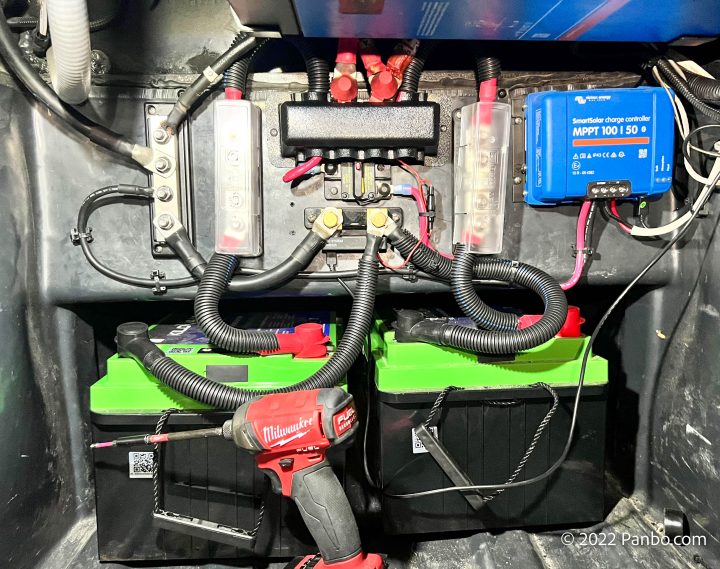
Starlink testing begins

I’m far from the first person to test Starlink’s network. Starlink began its public beta period with customers in the northern portion of the United States and Fort Myers, Florida is far from a northern location. So, I’ve just recently been able to get my hands on a terminal and fire up the testing. But, what I’m seeing so far is very promising.

25

Glomex WebBoat 4G Lite EVO, compact internet access with a hitch

There’s a lot to like about Glomex’s WebBoat 4G Lite Evo. It’s a small device with easy mounting, a 4G LTE cellular modem, an easy user interface, and app configuration. These features make the WebBoat 4G Lite Evo easy to install and easy to use. But, like so many other marine-specific internet access equipment I see, it lacks 5ghz WiFi, limiting its performance out of the box.

43

Airmar DST810 Multisensor, really smart

Airmar trail blazed the NMEA 2000 “smart” sensor about fifteen years ago, building a microprocessor right into a transducer so that a single rugged N2K cable can both power the sensor and deliver Depth, Speed, and Water Temperature to almost any display, regardless of brand. And while the company deservedly dominates the world of water-related smart sensors today, they were a tad slow to adopt the now-common technique of including a Bluetooth app for the detailed calibration that many of the display manufacturers fail to provide. But after initial testing, I think that the relatively new DST810 Smart Multisensor is a thoroughly modern N2K device…